Breathin' in mold for long periods of time can have serious consequences! (It) doesn't matter if it's black, white, or green. It can still be a health hazard, causing coughing and chest tightness. Not to mention the potential damage to our lungs!
(Yet), many people are unaware of this risk. They may believe that they're safe from harm if they don't touch the mold or clean it up. But that's not the case; breathing in mold spores is just as dangerous! Inhaling those particles over an extended period of time can lead to respiratory diseases such as asthma and bronchitis.
Moreover, exposure to high levels of mold has been linked with a variety of other health problems too. People could experience fatigue, difficulty concentrating, headaches, skin irritation and even depression! Mold also produces toxins which can further compromise our immune systems if we are exposed for too long.
Mold can be a real nuisance, and it's important to get a thorough inspection (done) to make sure your home is safe and free from this pesky problem. But what do you look for in a mold inspection?
First of all, you want an inspector who knows the signs of mold infestation. They should have experience with identifying potential issues, such as water damage or excessive humidity. A good inspector will also come prepared with the right tools to take samples and detect any hidden mold growth that might not be visible to the naked eye.
Have you ever wondered (how do you tell) if there is mold in your walls?! It's a valid concern, and one that can be quite tricky to answer. Mold is difficult to see with the naked eye, so it's important to know what signs to look for. The first thing (you need to do) is identify potential causes of moisture buildup on your walls. A leaky roof or pipes are common causes of mold growth. If you have had any sort of water damage in the past, it's worth checking for mold as well.
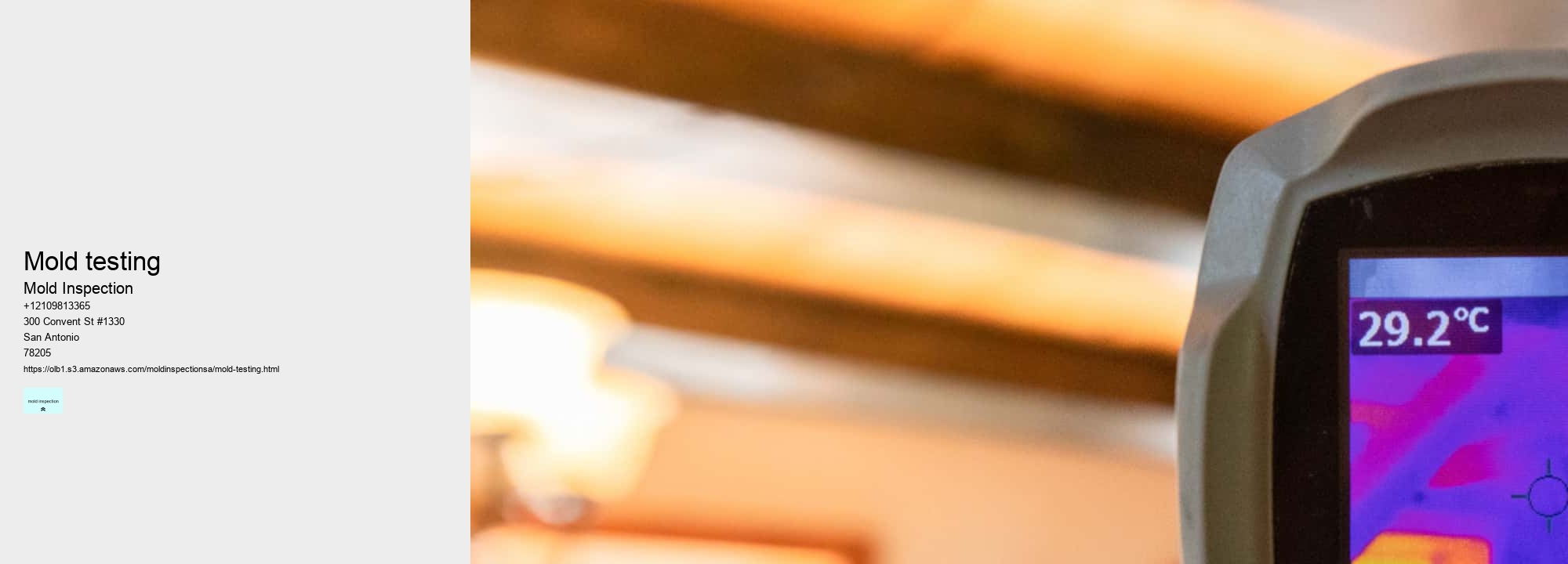
Mold experts can detect mold in various ways! It is not always easy to spot, but there are some things they look for. First, (they) may use a moisture meter to check the humidity levels of a room or area. If it is too high, then there could be a chance of mold growth. They also look for any visible signs like discoloration, stains, or musty odors that may indicate a problem. Lastly, they may take air samples from the space to test for spores in the air-- this confirms if there is an infestation present.
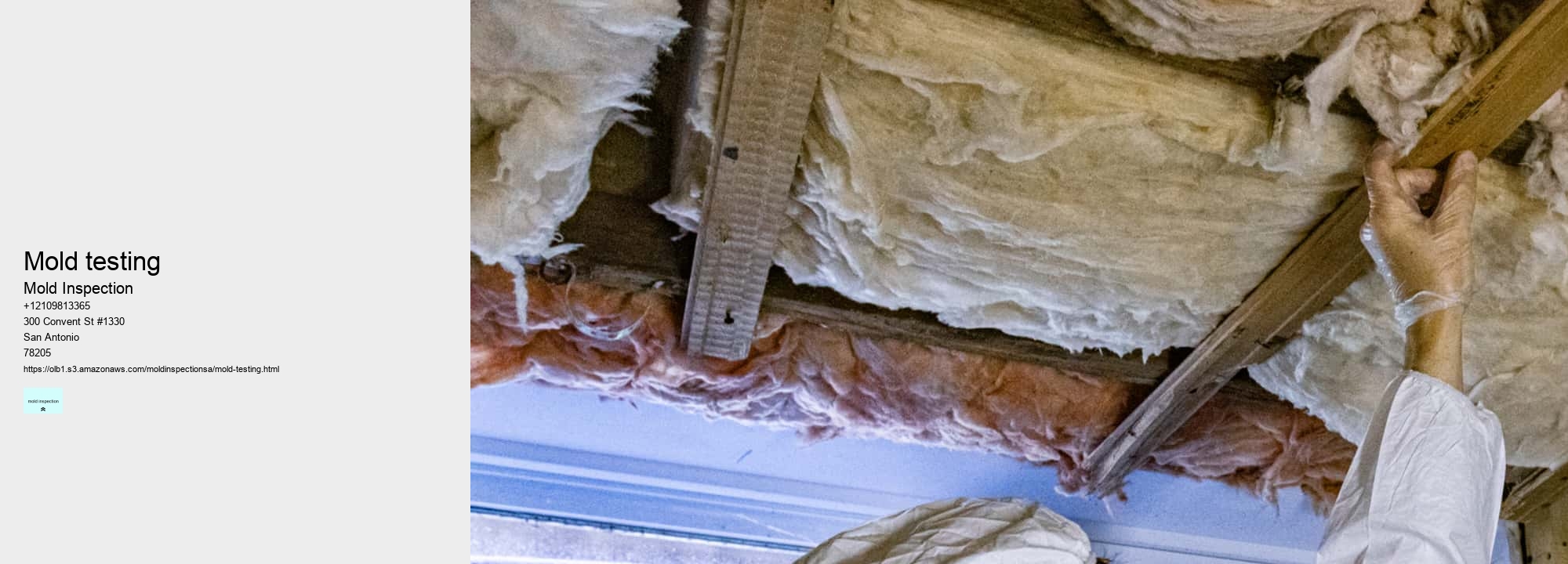
Another way specialists locate the source of mold contamination is by inspecting walls and other surfaces with flashlights and magnifying glasses to identify possible colonies. Additionally, they will check insulation and ventilation systems as these can provide places where mold likes to grow due to their damp environments. They also observe whether water leakage has occurred recently which can cause dampness and lead to mold growth quickly.
Overall, detecting mold takes precise knowledge and experience as well as special tools and techniques! To ensure accuracy in results, it's best to hire a professional who knows what they're doing! After all, prevention is key when it comes to dealing with this pesky problem!
Besides detection methods, there are also preventative measures one should take into consideration such as keeping homes dry by using dehumidifiers or checking roofing for leaks regularly. Furthermore, regular cleaning and maintenance of homes helps reduce the likelihood of mold growing again in the future! With all these steps taken together we can help fight against this unpleasant threat effectively and efficiently!